
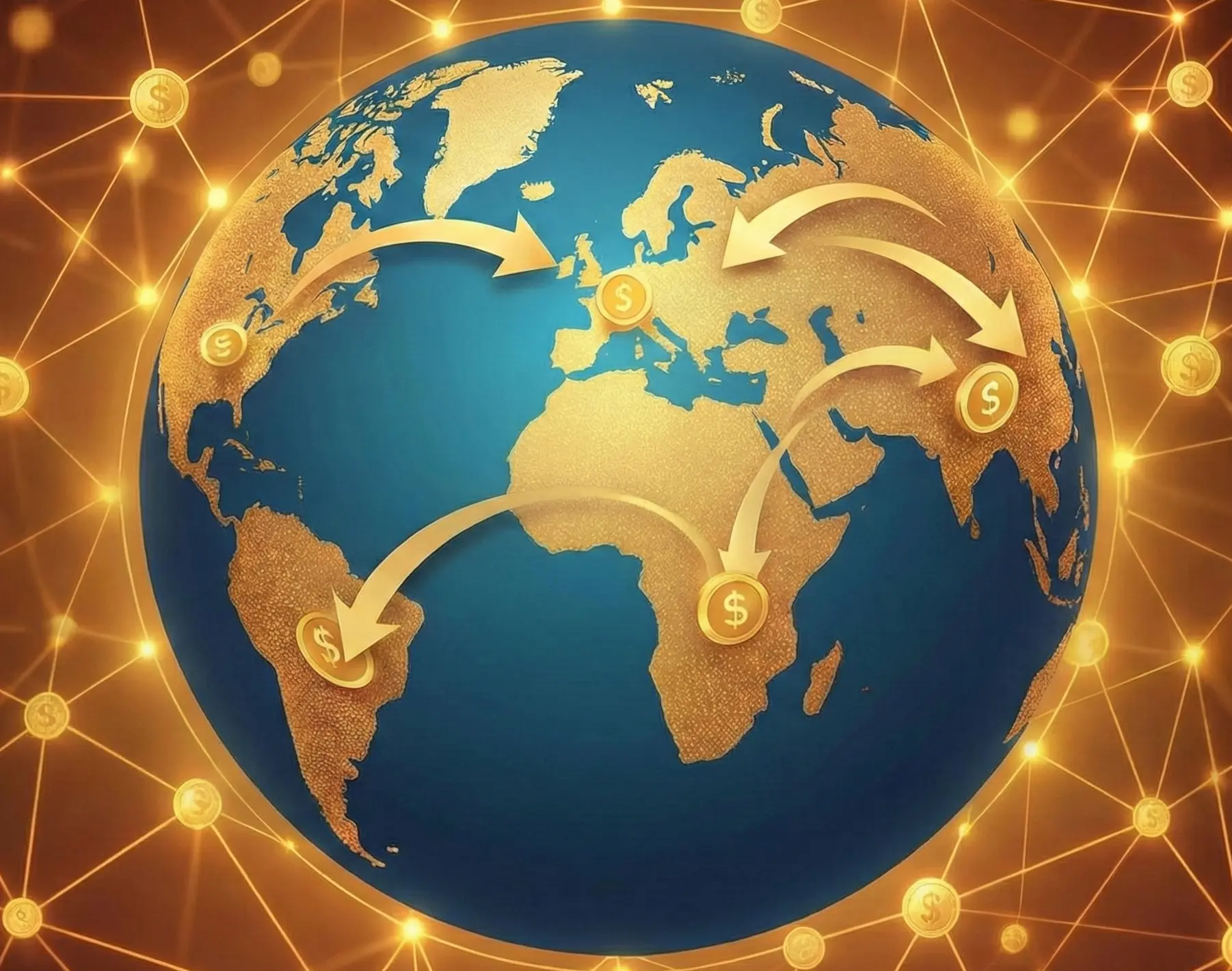
Remittances are one of the most powerful yet misunderstood financial flows in the global economy. Every year, millions of migrant workers send a portion of their income back home, supporting families, stabilizing communities, and driving economic development in ways that often go unnoticed. Despite being made up of small, frequent transactions, remittances have an outsized impact on both developing and developed economies.
Before breaking down the facts, it’s important to understand the scale:
According to the World Bank, remittances to low- and middle-income countries (LMICs) reached $685 billion in 2024, demonstrating remarkable resilience even amid global uncertainty.
Remittances touch nearly every corner of the world.
Approximately one billion people globally are connected to remittances—either as senders or recipients.
Around 200 million migrants send money home every year.
Their support reaches more than 800 million family members.
This scale makes remittances one of the most widespread forms of global financial support.
Why remittance is important for a country
Because a significant portion of households in remittance-dependent countries rely on these transfers to pay for food, education, healthcare, and housing, the stability of entire communities often hinges on these flows.
One major misconception is that migrants send most of their money back home. In reality:
They typically send between $200–$300 every month or two, representing just 15% of their total earnings.
How this affects host and home countries
Migrants spend 85% of their income locally in host nations on housing, utilities, transportation, education, and consumer goods.
This addresses the question: Do remittances hurt the host country?
No. In fact, they benefit the host economy by:
The small share sent abroad is a lifeline to families without harming host economies.
The global average remittance fee is 6.4%, more than double the UN SDG target of 3%.
Why costs remain high
The rise of digital and mobile transfers
Mobile-to-mobile remittances now average 3.5%, showing how digital solutions can close the cost gap significantly.
This shift highlights the growing importance of white label remittance software, digital wallets, and cross-border payment automation as tools for reducing costs and increasing financial inclusion.
According to IFAD, remittances often make up 60% of household income in low-income and rural communities.
How families use remittances
Around 75% is spent on essentials:
The remaining 25%—more than $100 billion a year globally—goes toward:
How remittances affect economy
This makes remittances a key driver of economic resilience.
Remittances play a major role in advancing at least seven of the United Nations Sustainable Development Goals, including:
Between 2015 and 2030, migrants are expected to send $8.5 trillion to developing countries. Approximately $2 trillion of this is projected to be saved or invested—fueling long-term development.
More than 50% of total global remittances flow into rural communities, where:
This makes remittances one of the most effective tools for rural poverty reduction.
Financial inclusion and digital access
When remittances are paired with:
they expand financial access in regions traditionally underserved by banks.
One of the most striking facts is that remittances exceed:
Combined, ODA and FDI still fall short of the scale of remittances.
The UN Global Compact for Migration includes multiple objectives centered on:
IFAD’s Financing Facility for Remittances (FFR)
FFR collaborates with governments, regulators, and private fintech companies to:
This global cooperation underscores the critical development role of remittances.
Comparison Table
| Advantages of Remittances | Disadvantages of Remittances |
|---|---|
| Poverty reduction at scale — Remittances help millions of families meet basic needs and rise above poverty. | Risk of dependency within households — Families may become financially dependent on diaspora income instead of building local income sources. |
| Increased household financial stability — Provides regular income during crises, job losses, or agricultural shocks. | Currency appreciation pressure in small economies — High inflows can appreciate the local currency, potentially hurting exports (Dutch Disease effect). |
| Investments in education and health — Families often allocate remittances toward schooling, nutrition, and medical care. | Potential brain drain from developing countries — Skilled workers leaving for better opportunities can reduce the local talent pool. |
| Economic growth in developing countries — Remittances stimulate consumption, entrepreneurship, and local markets. | Exposure to economic cycles in host countries — A recession abroad can reduce remittance flows, impacting households and national economies. |
| Strengthened foreign exchange reserves — Countries with high inflows experience improved financial stability and balance-of-payments support. | Reduced labor participation — In some cases, remittance-receiving families may work less, affecting local productivity. |
| Boosts financial inclusion through digital tools — Mobile wallets, digital transfers, and banking solutions grow when remittances flow. | Unregulated informal channels — Can increase security risks and reduce transparency in the financial system. |
Want to see how a ready-made platform can accelerate your growth?
Book a demo or consult with us at RemitSo today to see how our platform can power your growth.
They help reduce poverty, stabilize household income, improve access to education and healthcare, and support national economic development.
They boost consumer spending, expand foreign exchange reserves, strengthen financial stability, and contribute to GDP growth.
No. Migrants spend around 85% of their income in the host country, benefiting local economies, businesses, and tax systems.
India leads globally, followed by Mexico, China, and the Philippines in terms of annual remittance inflows.
Due to compliance requirements, foreign exchange risks, intermediary banking channels, and infrastructure limitations.
Yes. They offer faster delivery, lower fees, higher transparency, stronger security, and improved accessibility.
Remittance flows to LMICs reached approximately $685 billion in 2024, with rapid growth expected as digital payments expand.
Yes. When connected with digital wallets and microfinance services, they empower households to save, borrow, and build long-term financial resilience.