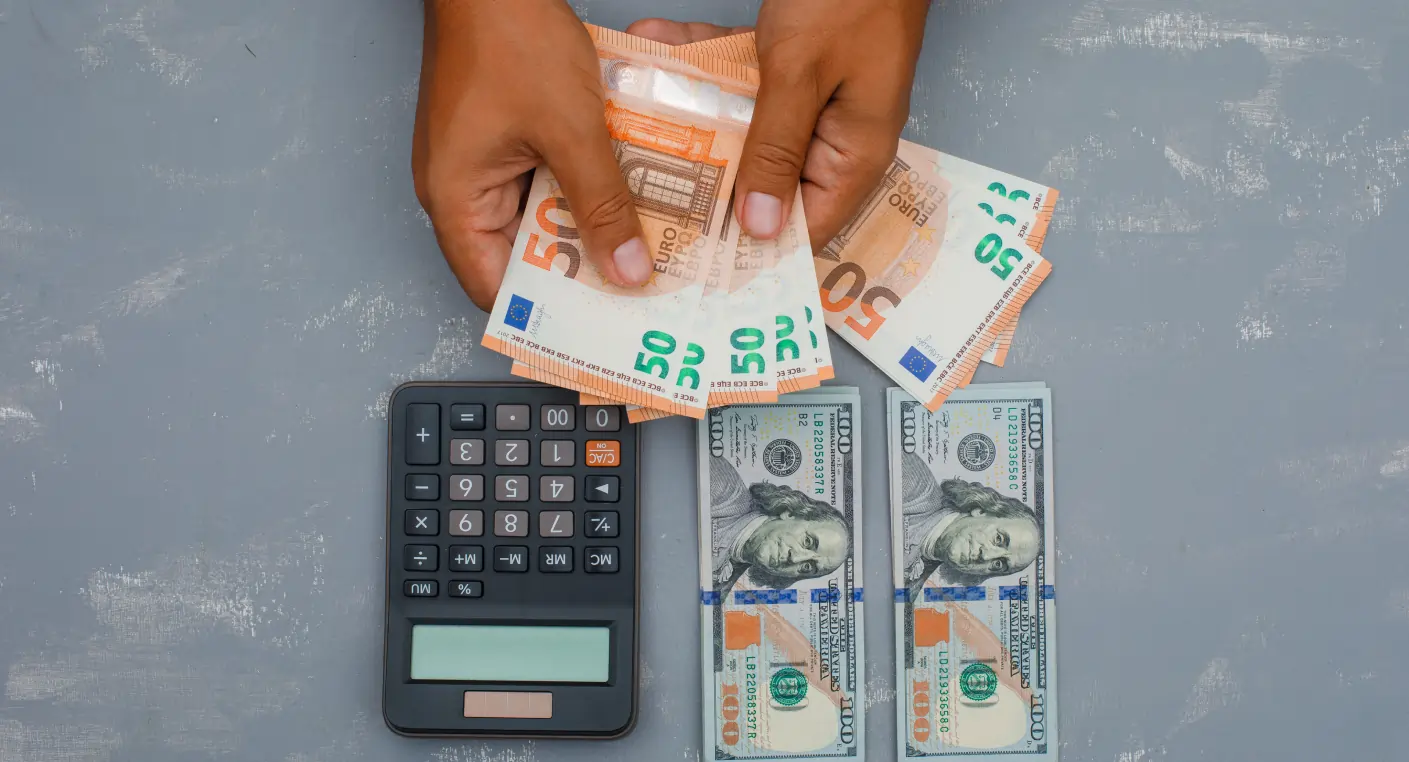
Cross-border money transfers are a critical part of the global financial system. They enable individuals, businesses, and institutions to move money across countries for work, trade, family support, education, and investment.
According to data frequently cited by the World Bank and International Monetary Fund (IMF), trillions of dollars flow across borders every year. For many developing economies, international transfers—particularly remittances—are a primary source of household income and economic stability.
Despite their importance, cross-border payments remain slower, more expensive, and less transparent than most domestic transactions. Understanding why requires looking at how these transfers actually work.
A cross-border money transfer is a financial transaction that sends money from one country to another, often involving different currencies, regulatory frameworks, and financial institutions.
Unlike domestic payments, international transfers must account for:
These additional layers introduce complexity that affects speed, cost, and reliability.
Cross-border transfers are not limited to one type of user. They support a wide range of real-world financial needs:
Each use case has different priorities, but all depend on the same underlying global payment infrastructure.
At a high level, cross-border transfers move value across borders using intermediaries, currency exchange mechanisms, and settlement networks.
Each intermediary adds time, cost, and potential points of failure.
The traditional model where banks hold accounts with foreign partner banks. It is secure but slow, expensive, and fragmented.
SWIFT provides standardized messaging between banks. While highly secure, it relies on correspondent banking for actual fund settlement, which can take several days.
Specialized providers that focus on international remittances, often using proprietary payout networks.
Newer platforms integrate directly with local payment rails and automate compliance, reducing reliance on intermediaries.
The real cost of an international transfer is often higher than the advertised fee.
Research referenced by the World Bank consistently shows that exchange rate margins account for the largest share of total transfer costs.
International transfers are costly due to structural challenges:
Reducing these costs is a long-standing global development goal, particularly for remittances that support low-income households.
Cross-border payments carry risks that are not always visible to users.
International payments operate under strict regulatory oversight to protect financial systems and consumers.
Institutions such as the United Nations, IMF, and World Bank consistently emphasize the need for balanced regulation that supports both security and financial inclusion.
| Feature | Domestic Payments | Cross-Border Payments |
|---|---|---|
| Speed | Near-instant | Hours to days |
| Cost | Low | Higher |
| Complexity | Minimal | High |
| Regulation | Single jurisdiction | Multiple jurisdictions |
This gap explains why innovation in cross-border payments has lagged behind domestic systems.
Enable real-time integration with local payment rails.
Improve transparency and settlement efficiency, though regulatory adoption varies.
Used for fraud detection, compliance automation, and smarter routing.
Allow near-instant settlement between specific countries.
Remittances play a vital role in economic stability. The World Bank reports that in many countries, remittance inflows exceed foreign direct investment.
Lower costs and better access directly support:
The future of international payments is faster, more transparent, and increasingly digital.
International initiatives aim to reduce average remittance costs below 3%.
Expansion of real-time cross-border payment corridors.
Cross-border payments integrated into payroll, marketplaces, and SaaS platforms.
Gradual harmonization of compliance standards across regions.
Data-driven optimization to reduce currency risk and delays.
When selecting a solution, consider:
The best option depends on who you are, where you’re sending money, and why.
Cross-border money transfers are essential to the global economy, yet remain one of its most complex financial processes. While costs, delays, and risks persist, innovation and regulatory cooperation are steadily improving how money moves across borders.
Understanding these systems empowers individuals and businesses to make informed decisions, reduce unnecessary costs, and operate confidently in the global economy.
If you’re looking to start or scale cross-border money movement globally, RemitSo can help.
A cross-border money transfer is a transaction that sends funds from one country to another, typically involving currency conversion and multiple financial institutions.
International transfers require compliance screening, currency exchange processing, and settlement across different banking networks, which can extend processing times.
Yes, when processed through regulated providers that follow international security, compliance, and anti-money laundering standards.
Providers apply different margins or spreads to the mid-market exchange rate, which affects the final converted amount received by the beneficiary.
Reversals are difficult once settlement has occurred, particularly if the recipient has already accessed or withdrawn the funds.
Yes. Identity verification is mandatory under global anti-money laundering (AML) and counter-terrorist financing regulations.
Blockchain technology is likely to complement existing cross-border payment systems by improving efficiency and transparency, but a full replacement of traditional banking infrastructure is unlikely in the near term.